

Energy storage is the capture of energy produced at one time for use at a later time to reduce imbalances between energy demand and production. It is crucial for integrating variable renewable energy sources like solar and wind power into the grid, as it provides stability and flexibility to the system. As the world accelerates its transition to cleaner power sources, renewable energy storage has emerged as an essential component in creating a reliable and sustainable energy future. An effective energy storage system bridges the gap between energy production and consumption, ensuring that power generated from wind, solar, or other renewables is available exactly when it’s needed. 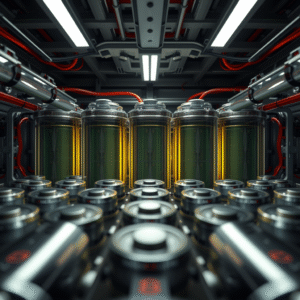

Energy Storage Types
There are several types of renewable energy storage systems, each offering unique benefits. Battery storage is one of the most popular methods, using advanced lithium-ion or flow batteries to store excess electricity for later use. Thermal storage systems capture heat from solar or other sources and release it when required, making them ideal for heating applications. Pumped hydroelectric storage uses surplus electricity to pump water uphill; when demand rises, this water flows back down through turbines to generate power on demand. Choosing the right renewable energy storage system depends on your specific needs and scale of operation. By investing in these technologies, we can maximize our use of clean energy and move confidently toward a greener future.
Importance and Benefits
Energy storage is vital for the transition to clean energy. Key benefits include: Grid Stability: Balancing intermittent energy supply from solar and wind with demand fluctuations. Cost Reduction: Storing energy during low-cost periods and using it during peak demand helps lower overall energy costs.
Reliability & Resilience: Providing essential backup power during outages and extreme weather events. Environmental Impact: Maximizing the use of renewable energy reduces reliance on fossil fuels and helps meet net-zero emissions goals.